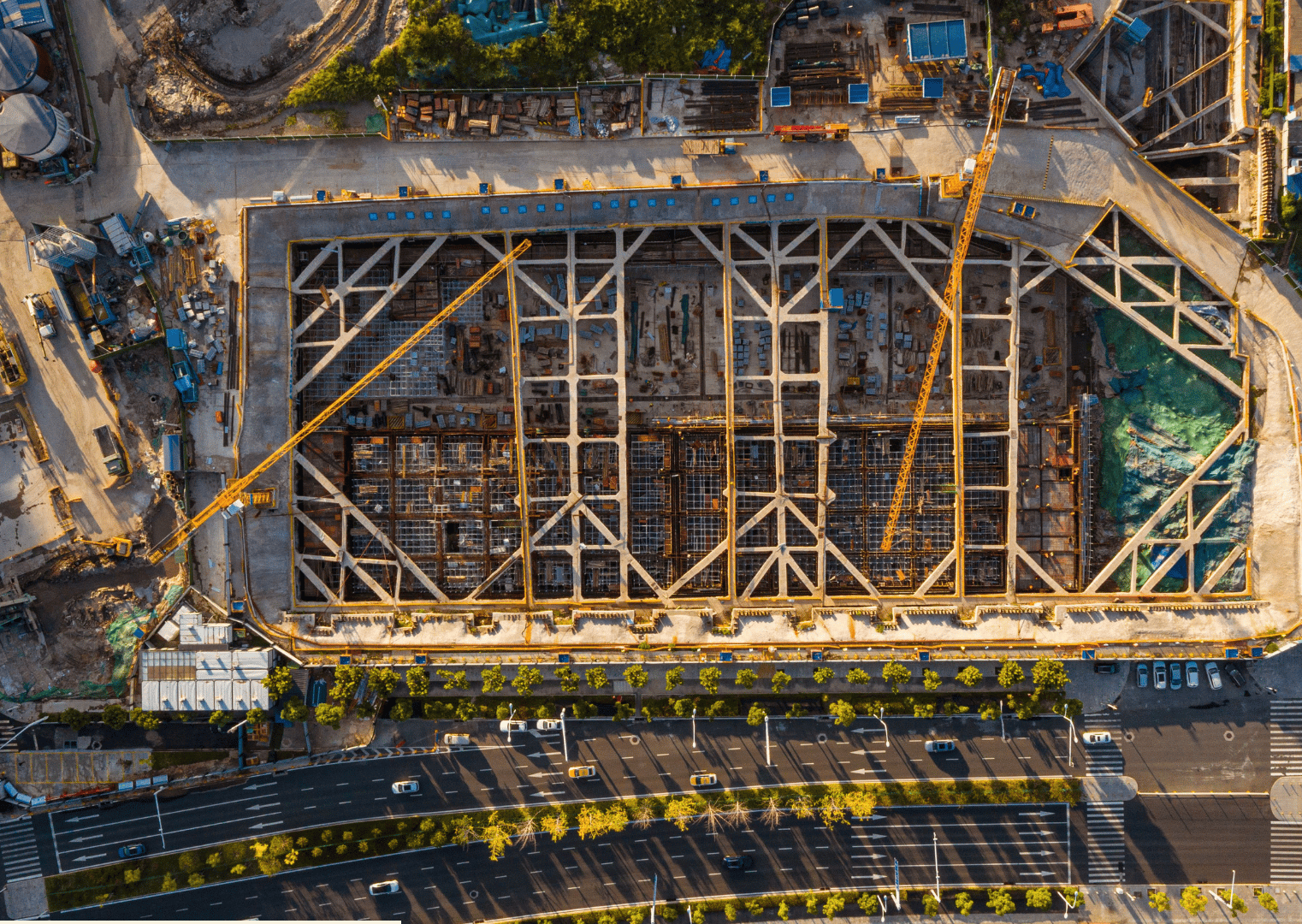
The construction industry has never stood still, but the pace of change today is unlike anything we've seen in recent years. Commercial construction, mission-critical facilities, and data center development are expanding rapidly, while projects are becoming more dependent on factors outside a contractor's control.
For decades, the blueprint for building a successful construction business was straight forward. Hire strong project managers, surround them with experienced operational leaders, and focus relentlessly on delivering work on time and on budget. Those fundamentals remain important but what has changed is the environment those leaders are operating in.
Today's contractors are navigating constrained supply chains, growing competition for critical materials, and increasing pressure around power availability. Many are also managing multiple projects across different regions as they scale. Success is no longer determined solely by operational excellence. It increasingly depends on whether leadership teams have the expertise to anticipate challenges before they become problems.
From the conversations we're having with founders, executives, and investors across the construction sector, I believe five leadership hires will have the biggest influence on which companies lead the industry over the next five years.
If there is one function that has changed more than any other, it is procurement.
Historically, procurement teams were measured by their ability to negotiate favorable commercial terms and control costs. While those responsibilities remain important, the role has evolved into something far more strategic. In today's market, access to critical materials often determines whether a project stays on schedule or falls behind.
Steel, switchgear, transformers, and specialist electrical equipment are no longer commodities that can simply be sourced when required. Availability has become a competitive advantage, and the contractors consistently delivering projects are often those that have invested in supplier relationships long before they need them.
As demand continues to increase across commercial construction and mission-critical infrastructure, procurement leaders will play a much greater role in protecting delivery schedules and giving clients greater certainty.
Construction businesses are increasingly managing portfolios of projects instead of individual developments, particularly in sectors such as data centers and advanced manufacturing.
That shift requires a different style of leadership.
Traditional project management focuses on delivering a single project successfully. Program leadership requires a broader perspective, balancing resources across multiple sites while maintaining consistency as organizations expand.
Businesses that continue to scale successfully will need leaders capable of managing complexity across an entire portfolio rather than concentrating on one project at a time. As organizations grow, this capability becomes increasingly valuable because decisions made on one project often affect several others.
Few issues have changed the construction landscape as dramatically as access to power.
Until recently, securing land was often the starting point for new developments, with utility infrastructure addressed later in the process. Increasingly, that sequence has been reversed. Developers are now asking whether sufficient power is available before committing to a site because without it, projects may never become commercially viable.
This shift has elevated energy strategy from an operational concern to an executive priority.
Construction businesses are investing in leaders who understand utility relationships, long-term infrastructure planning, and energy procurement because those decisions increasingly determine where projects can be built and how quickly they can move forward. As demand for power continues to grow, this expertise will become a defining competitive advantage.
The relationship between contractors and material suppliers is changing fundamentally.
For many years, suppliers were viewed primarily as vendors whose value was measured by price and availability. Today, they are becoming strategic partners whose ability to secure critical materials can influence project performance just as much as internal operations.
The strongest construction businesses recognize that supplier relationships are not built when projects begin. They are developed over time through trust and consistency.
Leaders responsible for these partnerships are becoming increasingly important because they create certainty in an environment where uncertainty has become one of the industry's greatest commercial risks. Their ability to strengthen supplier relationships will increasingly separate market leaders from their competitors.
The final capability is not tied to a specific job title.
Whether someone becomes a Chief Operating Officer, Commercial Director, or Managing Director is less important than the experience they bring.
One of the biggest mistakes I see is businesses hiring exclusively for the demands they face today instead of preparing for the organization they want to become. Scaling from 20 employees to 100 requires a different approach than building a company from scratch. Leadership becomes more complex, communication becomes more challenging, and decisions carry greater consequences across the business.
Leaders who have already navigated that journey understand how to build organizations that continue performing as they grow. They know when to introduce structure, when to strengthen leadership, and how to create a business capable of sustaining long-term growth. That experience is becoming one of the most valuable assets a construction company can have.
Construction has always rewarded businesses that execute well, but execution increasingly depends on the quality of leadership behind every project.
The companies that lead the next decade will not simply be those with the strongest balance sheets or the largest backlogs. They will be the organizations that recognize how the industry is changing and invest early in the leadership capabilities needed to stay ahead. Procurement, program leadership, power strategy, supplier relationships, and experience scaling organizations are no longer specialist capabilities sitting at the edge of the business. They are becoming central to how successful construction companies compete and grow in an increasingly demanding market.

Josh Seaver joins Allegiance to Expand Industrial Manufacturing Practice
Allegiance Search

Allegiance Search Strengthens Executive Search Services to Manufacturing and Material Supply with New Director Hire.
Allegiance Search

Digital Infrastructure and Energy Search Firm Allegiance Search Launches to Close the Sector's Leadership Gap
Allegiance Search

Only 50 of Today's 170 Digital Infrastructure Companies Will Still Exist in Five Years
Craig Thompson, Co-Founder
The 5 Construction Leadership Hires That Will Matter Most by 2030
Sam Cormack, Co-Founder
If you are a senior executive or specialist operating across digital infrastructure and energy and would like to introduce yourself, we welcome confidential conversations. Submit your details or connect with a member of the team.